
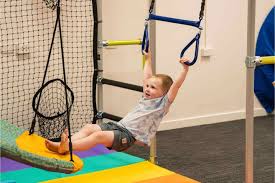
What is sensory processing, and why does it matter? Many parents ask this question when their child seems overwhelmed by sounds, textures, clothing, food, or transitions. Others notice that their child is constantly moving, crashing into furniture, chewing on objects, or seeking sensory input throughout the day.
At Beyond the Label, we provide neurodiversity-affirming therapy, parent consultation, and sensory-informed support in Sacramento and virtually throughout California and Oregon. Understanding sensory processing can help families make sense of behaviors that may otherwise seem confusing or frustrating.
What Is Sensory Processing?
Sensory processing is the way the nervous system receives, organizes, and responds to information from the environment and the body.
This includes:
- Sound
- Light
- Touch
- Taste and smell
- Movement and balance
- Body awareness (proprioception)
- Internal sensations such as hunger, thirst, and fatigue
When sensory processing differences are present, a person may be more sensitive to certain sensations, seek extra sensory input, or become overwhelmed more easily.
Common Signs of Sensory Processing Differences
Children may:
- Cover their ears in noisy environments
- Avoid certain clothing or tags
- Refuse foods because of texture
- Seek spinning, jumping, or crashing
- Have difficulty sitting still
- Become overwhelmed in crowded spaces
- Struggle with transitions
- Experience meltdowns after school
Sensory processing differences are common in individuals with Autism Spectrum Disorder and Attention-Deficit/Hyperactivity Disorder, though they can occur in anyone.
Why Does Sensory Processing Matter?
Sensory processing affects nearly every part of daily life, including:
- Behavior
- Emotional regulation
- Attention
- Learning
- Sleep
- Eating
- Social participation
When a child’s nervous system is overwhelmed, they may appear defiant, anxious, withdrawn, or hyperactive. In many cases, the behavior is actually a sign that their body is struggling to cope with sensory input.
Sensory Processing and Behavior
Parents often wonder why their child:
- Melts down after school
- Avoids brushing teeth or hair
- Refuses certain clothes
- Constantly moves
- Has strong reactions to everyday tasks
These behaviors are often rooted in sensory differences rather than intentional misbehavior.
How Sensory Support Can Help
Sensory-informed strategies may include:
- Movement breaks
- Noise-canceling headphones
- Visual schedules
- Calming spaces
- Weighted items
- Environmental adjustments
At Beyond the Label, we also offer a sensory room designed to help children build body awareness, regulate emotions, and feel safe.
Our Neurodiversity-Affirming Approach
We view sensory differences as a meaningful part of how a person experiences the world—not something to be “fixed.” Our goal is to help individuals understand their nervous systems and create environments that support success.
Frequently Asked Questions
Is sensory processing only related to autism?
No. Sensory differences can occur in children and adults with or without a formal diagnosis.
Can sensory processing affect behavior?
Yes. Sensory overload can lead to meltdowns, shutdowns, avoidance, and emotional dysregulation.
How do I know if my child needs support?
If sensory challenges are interfering with school, family life, or daily routines, a consultation can be very helpful.